Back in the day, athletes were always on the lookout for ways to boost their performance. In the early 20th century, the idea of using supplements wasn't really a thing. Most athletes relied on good old-fashioned hard work and a proper diet. However, as competition grew fiercer, some started experimenting with different substances to see what could give them an edge.
In the 1950s, we saw the first real wave of performance supplements hit the scene. Bodybuilders and weightlifters began using steroids, which promised impressive muscle gains. While these substances were effective, they also came with a lot of health risks that weren’t fully understood at the time. It was a wild west of sorts, where people had to figure out the balance between gaining strength and staying healthy.
The 1970s brought about a shift as more scientific research emerged. Creatine became popular, especially among athletes looking to increase their strength and endurance. This natural compound found in our muscles offered a safer alternative to steroids. Suddenly, performance supplements were becoming more about science and less about guesswork.
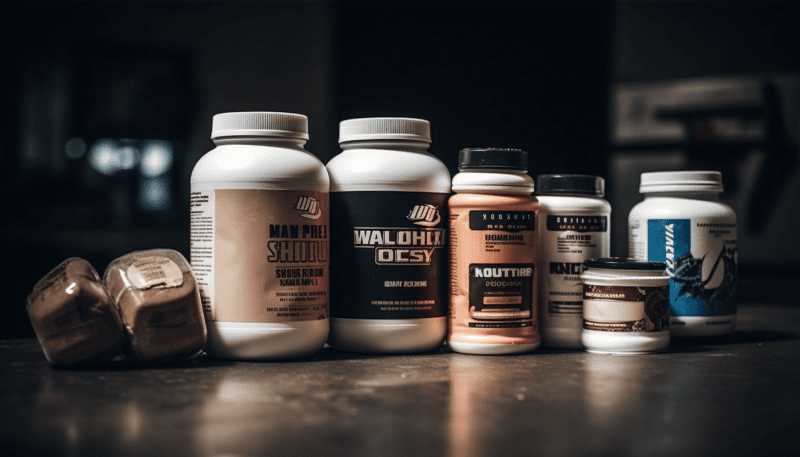
The 1990s and early 2000s saw a boom in the supplement market. Protein powders, amino acids, and other formulations exploded onto the scene, appealing to a wider range of athletes beyond just bodybuilders. It was no longer just about who could lift the heaviest weights. Everyone from marathon runners to weekend warriors began to seek out ways to enhance their routines.
Today, performance supplements are a multi-billion-dollar industry, with options for every need imaginable. Athletes are now more informed than ever, looking for products that not only boost performance but also support their overall health. It's fascinating to see how far we've come, and it’s exciting to think about where performance supplements might head next!
Evolution Through the Decades
The world of performance supplements has seen some interesting changes over the decades. Back in the 1960s, most athletes relied on basic nutrients like vitamins and minerals. These were often consumed through food, but the concept of supplements was just starting to gain traction. Athletes were looking for anything to give them that extra edge, even if it meant experimenting with rock-hard protein powders that were a challenge to mix!
Fast forward to the 1980s, and things really started heating up. With the fitness craze in full swing, more athletes turned to supplements like creatine and amino acids. The science behind muscle growth and recovery began to take shape, leading to a boom in product offerings. You could find everything from protein bars to energy gels aimed at helping everyday gym-goers and professional athletes alike boost their performance.
The 1990s brought even more innovation. Bodybuilders and athletes began to see the benefits of more targeted supplements. Fat burners, pre-workout powders, and recovery drinks started hitting the shelves. Marketing really kicked in, with flashy ads and big endorsements. Consumers were now learning about how these supplements could fit into their routines, giving rise to an informed community of users eager to optimize their performance.
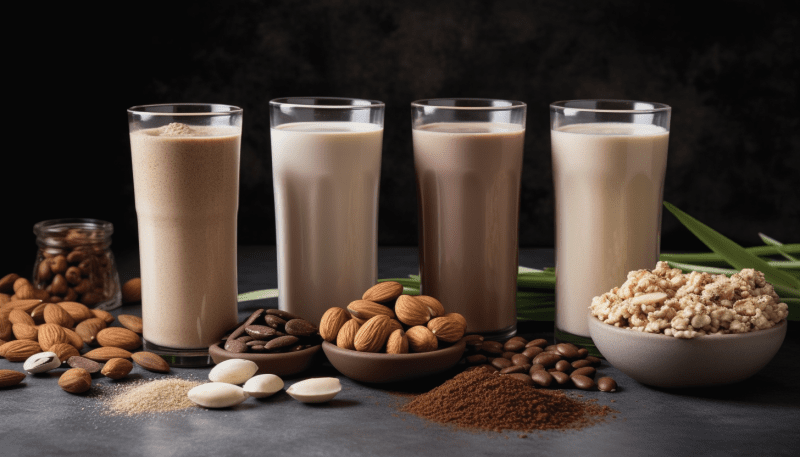
In the 2000s and beyond, things got a bit wild with a surge in specialized supplements. You had everything from vegan protein options to nootropics promising to enhance focus during workouts. Athletes started doing their homework, understanding ingredients better and choosing products based on their unique needs. Now we can find clean labels and transparency, which is a huge win for anyone looking to improve their game.
Key Innovations and Discoveries
Over the years, the world of performance supplements has seen some pretty exciting innovations and discoveries that have changed the game for athletes and fitness enthusiasts alike. One of the earliest breakthroughs came with the introduction of protein powders in the 1950s and 60s. These shakes made it easier for bodybuilders and athletes to increase their protein intake, helping them build muscle and recover faster after workouts.
Then came the rise of creatine in the 1990s. This supplement quickly gained popularity as research showed it could help boost strength and enhance performance during high-intensity exercise. Many athletes began to rely on creatine to push their limits and achieve personal bests. It was a game changer for many in the world of competitive sports.
Fast forward to the 2000s, and we saw the emergence of pre-workout supplements. These products are packed with ingredients designed to give you a quick energy boost and improve focus during workouts. Ingredients like caffeine, beta-alanine, and citrulline became staples in gym bags. Athletes loved them for the push they provided—perfect for tackling those tough training sessions or long endurance events.
More recently, interest in natural and plant-based supplements has surged. Many athletes are now looking to alternatives that are clean and less processed. Ingredients like beetroot powder and adaptogens have gained traction for their potential to enhance performance and support recovery. This shift reflects a growing awareness of health and wellness, and how what we put in our bodies affects our performance and recovery.
Today’s Trends in Performance Boosting Supplements
Today, the world of performance boosting supplements is buzzing with exciting trends that aim to help athletes and fitness enthusiasts reach their peak potential. One of the hottest trends right now is the rise of natural ingredients. More folks are leaning toward supplements made with herbal extracts, adaptogens, and superfoods. This shift is all about finding that balance between getting a boost and staying true to what nature offers.
Another trend making waves is personalized nutrition. With advancements in technology, many brands now offer customized supplement plans based on your unique body needs, goals, and lifestyle. Imagine receiving a blend that specifically supports your recovery, energy, or stamina! It's like having a little science experiment tailored just for you.
We’re also seeing a growing emphasis on transparency in ingredient sourcing. Shoppers want to know what’s in their supplements and where those ingredients come from. Brands that offer full transparency, including detailed labels and sourcing information, are gaining trust and loyalty among consumers. It’s all about feeling good about what you put in your body.
Lastly, the focus on mental performance is on the rise. Supplements that enhance focus, clarity, and overall brain function are becoming just as popular as those that boost physical performance. For many, achieving peak performance isn’t just about muscles; it’s also about having a clear mind to push through tough workouts and maintain motivation.